
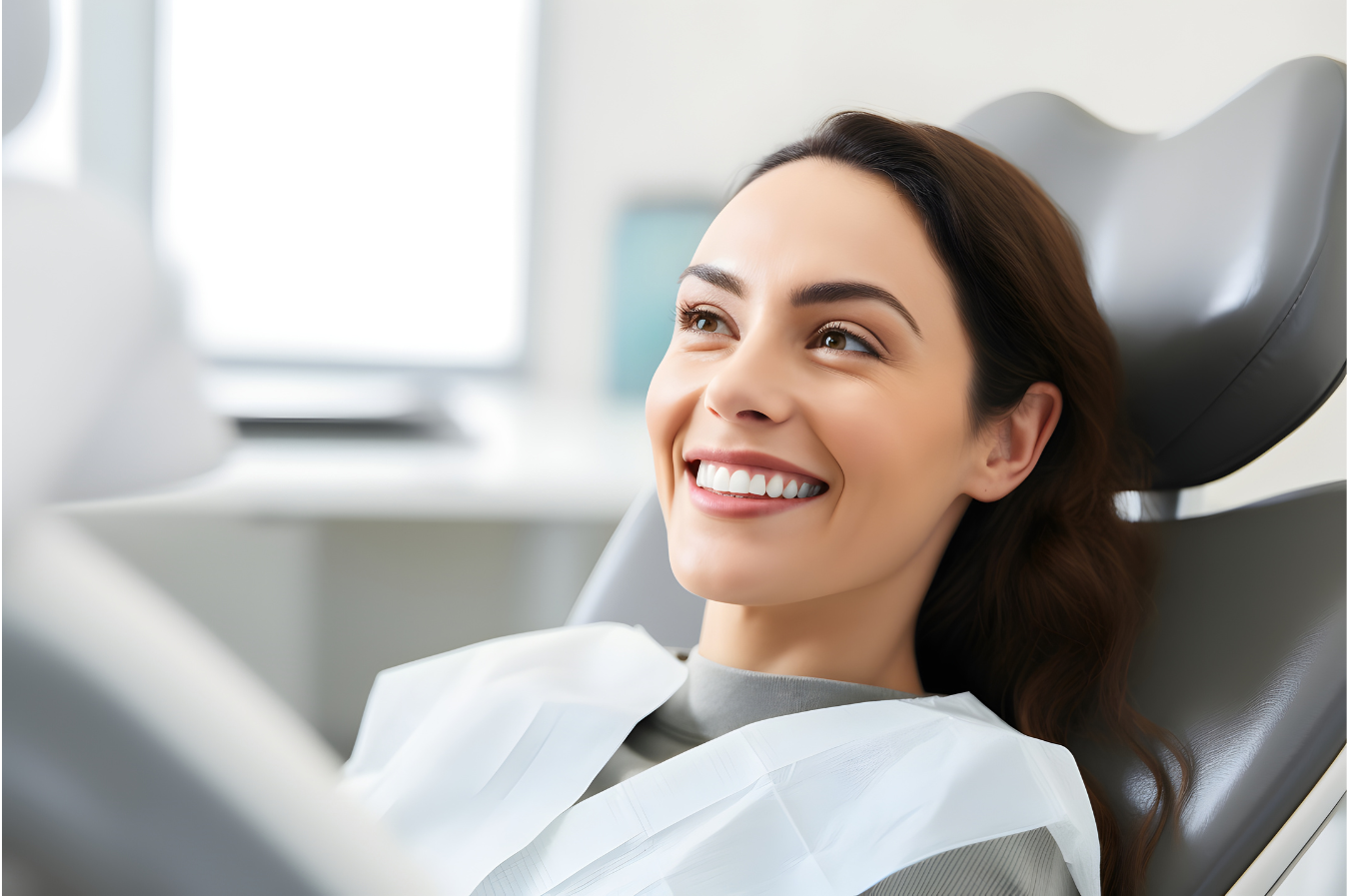
What Is Professional Teeth Whitening?
Professional teeth whitening is a cosmetic dental procedure that uses prescription-strength peroxide gels to lighten tooth discoloration by several shades, all under the supervision of a dental professional. If coffee, tea, red wine, or simply the passage of time has left your teeth looking dull or yellowed, this treatment offers a safe and effective way to restore that natural brilliance. Most people notice your smile before anything else, and whitening is one of the fastest ways to make it brighter. Choosing the right approach depends on your goals, your sensitivity level, and your schedule.
Unlike over-the-counter strips or paint-on gels you might find at the drugstore, professional whitening delivers more predictable, even results while minimizing the risk of sensitivity or gum irritation. Your dental team can customize the treatment to your specific shade goals, tooth sensitivity level, and lifestyle preferences. At Cochituate Smile Center, our husband-and-wife team helps patients choose the whitening approach that fits their goals and comfort level, because your comfort and smile are our top priorities.
Two main delivery methods exist for professional whitening: in-office (chairside) treatments performed at a dental practice and custom take-home trays you use in the comfort of your own home. Each approach has distinct advantages, and many patients benefit from combining both methods for the best possible results. cosmetic dentistry services]
The active ingredients in professional whitening products are hydrogen peroxide or carbamide peroxide. Hydrogen peroxide is the more potent of the two and is typically used in higher concentrations during in-office treatments. Carbamide peroxide breaks down into hydrogen peroxide and urea, releasing the bleaching agent more slowly over time. That slower release makes it well suited for at-home trays worn for extended periods.
Why does professional oversight matter? The American Dental Association (ADA) has established safety standards for whitening products, and professional-grade treatments are formulated to meet these guidelines. When a dental professional supervises your whitening treatment, they can:
- Evaluate your oral health before treatment to ensure you're a good candidate
- Protect your gums and soft tissues from the bleaching gel
- Customize the concentration and application time based on your sensitivity
- Monitor your progress and adjust the treatment plan as needed
- Address any concerns or side effects promptly
This level of care simply isn't possible with OTC products. Drugstore whitening strips, LED kits, and whitening toothpastes can provide modest improvements. But they often contain lower concentrations of active ingredients and lack the custom fit that ensures even coverage. The result? Uneven whitening, increased sensitivity, and results that fade quickly.
Whether performed in the dental chair or at home with custom trays, professional whitening gives you access to stronger formulations, treatment protocols built around you, and the confidence that comes from knowing a trained team is guiding your care. Our team, with training from tufts university school of dental medicine, brings that level of expertise to every whitening treatment we recommend.
What Should You Know Before Getting Started?
- In-office whitening delivers the fastest results, often lightening teeth by several shades in a single visit
- Custom take-home trays offer a gentler, more gradual approach that works well for sensitive teeth
- Both methods are safe when supervised by a dental professional
- Professional whitening costs more upfront than drugstore products but delivers stronger, longer-lasting results
- A pre-whitening exam is essential to confirm you're a good candidate
- Many patients get the best outcome by combining in-office treatment with at-home trays for maintenance
How In-Office and At-Home Whitening Treatments Work
Understanding how each whitening method works can help you make an informed decision about which approach fits your needs. Both in-office and at-home treatments rely on the same basic science, but they differ significantly in concentration, application time, and overall experience.
What Happens During the In-Office Whitening Process?
In-office whitening, sometimes called chairside whitening or power whitening, delivers dramatic results in a single appointment. Here's what to expect during a typical session:
Step 1: Thorough Examination
Before any whitening treatment begins, a dental professional will examine your teeth and gums. They'll check for cavities, gum disease, or other conditions that need to be addressed first. This exam also helps them assess your current tooth shade and discuss realistic expectations.
Step 2: Cleaning and Preparation
Your teeth will be cleaned to remove any surface plaque or debris that could interfere with the whitening gel. This ensures the bleaching agent can penetrate the enamel evenly.
Step 3: Gum Protection
A protective barrier (often a rubber dam or a specialized gel) is applied to shield your gums and soft tissues from the high-concentration whitening solution. This step is crucial for preventing irritation.
Step 4: Whitening Gel Application
A professional-strength hydrogen peroxide gel is applied directly to your teeth. In-office treatments typically use concentrations between 25% and 40% hydrogen peroxide, significantly higher than what's available in at-home products.
Step 5: Optional Light Activation
Some in-office systems use a special LED or laser light to activate or enhance the whitening gel. While the effectiveness of light activation is debated among dental professionals, many patients find it provides an extra boost.
Step 6: Multiple Applications
The gel is typically applied in two to four cycles during a single appointment, with each application lasting 15 to 20 minutes. Between cycles, the gel is removed and reapplied to maximize results.
Step 7: Final Assessment
After the final application, all protective barriers are removed and results are assessed. Most patients see their teeth brighten by several shades in just one 60 to 90-minute session.
What Happens During the At-Home Tray Whitening Process?
Custom take-home trays offer a more gradual approach to whitening, giving you control over when and where you brighten your smile.
Step 1: Initial Consult
Just like with in-office whitening, your treatment begins with an examination. A dental professional will evaluate your oral health, discuss your whitening goals, and determine if custom trays are the right choice for you.
Step 2: Impressions or Digital Scans
To create trays that fit your teeth precisely, the dental team will take impressions of your upper and lower teeth using traditional putty molds or a digital scanner. These impressions are sent to a dental lab where your custom trays are fabricated.
Step 3: Tray Fitting
Once your trays are ready (usually within one to two weeks), you'll return to the practice for a fitting. The dental professional will ensure the trays fit snugly against your teeth without irritating your gums. A proper fit is essential for even whitening and for keeping the gel in contact with your tooth surfaces.
Step 4: At-Home Application
You'll receive a supply of professional-strength whitening gel, typically containing 10% to 22% carbamide peroxide or a lower concentration of hydrogen peroxide. The team will demonstrate how to apply a small amount of gel to each tooth compartment in the tray.
Step 5: Daily Wear
Depending on the gel concentration and your sensitivity level, you'll wear the trays for 30 minutes to several hours each day. Some patients prefer overnight wear with lower-concentration gels. Others use higher concentrations for shorter daytime sessions. Your dental professional will recommend a schedule based on your needs.
Step 6: Gradual Results
Over the course of one to four weeks, you'll notice your teeth gradually becoming brighter. This slower approach often results in less sensitivity than in-office treatment, making it a popular choice for people with sensitive teeth.
How Does the Science Behind Whitening Work?
Both methods work through the same fundamental process. The peroxide in the whitening gel penetrates the outer enamel layer of your teeth and reaches the dentin beneath. Once there, it breaks down chromogens, the pigmented molecules responsible for tooth discoloration.
Where do chromogens come from? Coffee, tea, red wine, berries, and tomato sauce contain compounds that bind to tooth enamel over time. Tobacco use introduces tar and nicotine that create stubborn yellow and brown stains. Even certain medications and the natural aging process can cause teeth to darken from within.
When hydrogen peroxide or carbamide peroxide contacts these chromogens, it triggers an oxidation reaction that breaks the chemical bonds holding the stain molecules together. The stains are effectively dissolved, leaving a lighter, brighter appearance.
Concentration and exposure time determine how quickly this process occurs:
- In-office treatments use high concentrations (25-40% hydrogen peroxide) for short periods, producing rapid results
- At-home trays use lower concentrations (10-22% carbamide peroxide) over longer periods, achieving similar results more gradually
How Do Treatment Timelines Compare?
This makes in-office treatment ideal for upcoming weddings, graduations, or reunions, job interviews or professional headshots, and special occasions when you want to look your best. It also works well for anyone who simply doesn't want to wait weeks for results.
Professional Monitoring Throughout
During your in-office session, a dental professional is present the entire time. They can monitor how your teeth are responding, adjust the gel concentration if needed, and address any sensitivity or discomfort immediately. That level of oversight ensures both safety and strong results.
Immediate Gratification
There's something genuinely satisfying about walking out of your dental appointment with a noticeably brighter smile. For many of our patients, this immediate change provides a significant confidence boost that makes the investment worthwhile.
Consistent, Even Coverage
Your dental professional applies the whitening gel precisely, ensuring every visible tooth surface receives equal treatment. This attention to detail helps prevent the uneven results that can occur with strips or generic trays.
What Are the Benefits of At-Home Tray Whitening?
Lower Per-Session Cost
Custom take-home trays cost less per treatment than in-office whitening and offer affordable gel refills for ongoing maintenance. Once you have your trays, you can purchase gel from your dental practice at a fraction of the cost of chairside treatment.
Convenience and Flexibility
At-home trays let you whiten on your schedule. Wear them while watching television in the evening, during your morning commute, or overnight while you sleep. You have complete control over when treatment happens.
Gradual Results with Less Sensitivity
The lower concentration of peroxide in at-home gels means the whitening process is gentler on your teeth. Many patients who experience sensitivity with in-office treatment find at-home trays much more comfortable. The gradual approach also allows you to stop treatment once you've reached your desired shade.
Long-Term Maintenance Tool
Your custom trays last for years with proper care. That makes them perfect for touch-up treatments whenever you notice your smile starting to dull. Instead of scheduling another in-office appointment, you can simply use your trays for a few nights to restore your brightness.
What Are the Benefits Shared by Both Professional Methods?
Treatment Plans Built Around You
Unlike one-size-fits-all OTC products, professional whitening is designed around your unique situation. Your dental professional considers your current tooth shade and desired outcome, any history of tooth sensitivity, the type and severity of your staining, your budget and timeline preferences, and other cosmetic goals you may have.
More Predictable, Even Results
The whitening products available through a dental practice are formulated to deliver consistent results across all your teeth. The custom fit of in-office application and take-home trays ensures the gel contacts every surface evenly, preventing the streaky or blotchy results that can occur with strips.
Professional-Grade Formulations
The whitening gels available through a dental practice are simply more effective than what you can buy over the counter. Higher concentrations of active ingredients, combined with proper application techniques, produce results that OTC products can't match.
Part of Your Overall Smile Plan
Whitening can be coordinated with other cosmetic treatments for a complete smile design. If you're considering veneers, bonding, or a new crown, the dental team can time your whitening treatment to ensure your restorations match your newly brightened natural teeth. veneers page]
Boosted Confidence
A bright, healthy-looking smile affects how you feel about yourself. Many of our patients report feeling more confident in social and professional situations after whitening their teeth. This psychological benefit is just as real as the physical change in your tooth shade.
According to the American Academy of Cosmetic Dentistry, teeth whitening is consistently one of the most requested cosmetic dental procedures. The combination of safety, effectiveness, and relatively low cost makes it an accessible way to enhance your smile without invasive treatment.
In-Office vs At-Home Whitening Trays: Results, Safety & Side Effects Compared
Choosing between in-office whitening and custom take-home trays often comes down to your priorities. Do you value speed over cost? Is sensitivity a major concern? Understanding how these two approaches compare across key factors will help you make the right decision.
How Quickly Will You See Results?
In-office whitening stands out for its immediacy. You'll see results the moment your appointment ends, with most patients noticing their teeth are several shades lighter before they even leave the dental chair. That makes in-office whitening perfect for time-sensitive situations.
At-home trays develop results gradually over one to four weeks of consistent use. You'll typically notice the first changes within three to five days, with full results appearing after completing your treatment course. This timeline works well for people who prefer a subtle, progressive change.
How Many Shades Lighter Can You Expect?
Based on commonly reported clinical outcomes, professional chairside treatments typically lighten teeth by five to eight shades in a single session. For patients with significant staining or those seeking dramatic results, multiple sessions spaced a few weeks apart can achieve even more pronounced whitening.
Custom tray systems generally achieve three to six shades of improvement over the full treatment course, according to commonly reported manufacturer data. While this is less dramatic than in-office results, many people find this level of whitening meets their goals, especially when combined with the lower cost and reduced sensitivity.
How Safe Is Each Method?
Both in-office and at-home professional whitening are considered safe when performed under dental supervision. Our dentists, with training from tufts university school of dental medicine, monitor every in-office session to ensure safe, effective results. The key factors that ensure safety include:
- Pre-treatment examination to identify any oral health issues
- Proper gum protection during application
- Appropriate concentration levels for your sensitivity
- Professional guidance on application time and frequency
The higher concentration of hydrogen peroxide used in chairside treatments requires careful application by a trained professional. Gum barriers and precise technique prevent the gel from contacting soft tissues. When these precautions are followed, in-office whitening has an excellent safety record.
Lower concentrations in take-home systems provide a wider margin of safety. Custom-fitted trays help keep the gel on your teeth and away from your gums. That said, following your dental professional's instructions carefully and not exceeding the recommended wear time is essential.
What Are the Common Side Effects?
Tooth Sensitivity
The most common side effect of any whitening treatment is temporary tooth sensitivity. This occurs because the peroxide temporarily opens the pores in your enamel, allowing temperature sensations to reach the nerve more easily.
In-office treatments may cause more intense but shorter-lived sensitivity. At-home trays typically cause milder sensitivity that develops gradually. In both cases, sensitivity usually resolves within a few days of completing treatment.
Gum Irritation
If whitening gel contacts your gums, you may experience mild irritation or temporary whitening of the gum tissue. This is more common with ill-fitting trays that allow gel to leak, overfilling trays with too much gel, or in-office treatments where the protective barrier wasn't perfectly placed.
Having a dental professional involved helps minimize this risk. If you notice gum irritation during at-home treatment, contact your dental practice for guidance.
How Can You Manage Side Effects?
Your dental professional can recommend strategies to reduce sensitivity and irritation. Common approaches include using a desensitizing toothpaste before and during treatment, applying fluoride gel after whitening sessions, reducing wear time or switching to a lower-concentration gel, and taking breaks between treatment sessions. Most side effects are mild and resolve on their own within a few days.
How Long Do Whitening Results Last?
How long your results last depends on several factors beyond the treatment method itself. Diet plays a significant role. Coffee, tea, red wine, and deeply pigmented foods can re-stain teeth over time. Tobacco use causes rapid re-staining. Regular brushing and flossing help maintain results. And periodic touch-up treatments extend your brightness significantly.
With proper care, professional whitening results typically last six months to two years. In-office and at-home treatments offer similar longevity when patients follow maintenance recommendations.
How Do In-Office and At-Home Methods Compare Overall?
These ranges reflect national averages and vary based on the whitening system used, geographic location, stain severity, and number of sessions required. While the upfront cost is higher than drugstore products, professional whitening generally offers better long-term value than repeatedly purchasing OTC alternatives.
What Are the Typical Cost Ranges?
In-Office Whitening
Chairside whitening typically ranges from $300 to $1,000 per session. The wide range reflects differences in the whitening system used (some premium systems cost more), geographic location and local cost of living, the experience level of the dental practice, whether light activation is included, and the number of applications during the session.
Some practices offer package pricing for multiple sessions, which can reduce the per-treatment cost if you need more than one appointment to reach your goals.
Custom Take-Home Trays
Take-home tray systems typically cost $150 to $400 through a dental practice. This includes the initial consult and examination, impressions or digital scans of your teeth, custom tray fabrication, and your first supply of professional whitening gel.
Gel refills usually run $20 to $50 per syringe, making ongoing maintenance quite affordable once you have your trays.
What Factors Influence the Cost?
Severity of Staining
Patients with deep or long-standing stains may need multiple in-office sessions or extended at-home treatment to achieve their desired results. More severe discoloration generally means higher total treatment costs.
Number of Sessions Required
While many patients achieve their goals with a single in-office appointment, others benefit from two or three sessions. Your dental professional can estimate how many treatments you'll need based on your current shade and goals.
Geographic Location
Dental fees vary significantly by region. Practices in major metropolitan areas or high cost-of-living regions typically charge more than those in smaller communities. This reflects differences in overhead costs, not necessarily in treatment quality.
Practice Fees and Expertise
Each dental practice sets its own fees based on overhead, the experience of their team, and the quality of materials they use. A practice that invests in the latest whitening technology and extensive team training may charge more but often delivers superior results.
Whitening System Used
Different professional whitening systems have different costs. Premium systems with advanced formulations or light-activation technology may cost more but can deliver faster or more dramatic results.
What About Insurance and Payment Options?
Teeth whitening is considered a cosmetic procedure, which means dental insurance rarely covers it. Many dental practices do offer options to make whitening more affordable. At Cochituate Smile Center, we believe it's never too early or too late to invest in your smile. Options to explore include financing options that spread the cost over several months, cosmetic dentistry packages that bundle whitening with other treatments, membership plans for patients without insurance that include discounts on cosmetic services, and seasonal promotions offering reduced pricing on whitening treatments.
Ask your dental practice about available financing options. Many patients find that breaking the cost into smaller monthly payments makes professional whitening very accessible.
How Does Professional Whitening Compare in Value to OTC Products?
When comparing costs to OTC alternatives, consider the long-term value. OTC strips cost $20 to $50 per box but require repeated purchases and deliver inconsistent results. Drugstore LED kits run $50 to $200 but use lower concentrations and generic trays. Whitening toothpastes provide minimal actual whitening despite ongoing costs.
Your investment in professional whitening delivers more dramatic, longer-lasting results. When you factor in the repeated purchases needed to maintain results with OTC products, professional treatment often provides better value over time.
It's also safer and more predictable. Knowing that a trained professional is guiding your treatment has real value, especially for patients with sensitive teeth or existing restorations.
Are You a Good Candidate for Teeth Whitening?
Not everyone is an ideal candidate for whitening, and that's okay. A pre-whitening dental examination helps determine whether this treatment is right for you and identifies any issues that should be addressed first. At Cochituate Smile Center, a pre-whitening exam ensures your teeth and gums are ready for treatment before any whitening begins.
Who Are the Ideal Candidates for Whitening?
You're likely a good candidate for professional teeth whitening if you have:
Healthy Tooth Enamel
Whitening works by penetrating the enamel to break down stain molecules beneath the surface. If your enamel is intact and healthy, the process is both safe and effective. People with worn, thin, or damaged enamel may need alternative treatments.
Extrinsic (Surface) Stains
The best whitening results occur with extrinsic stains, those caused by external factors that affect the tooth surface. Common sources include coffee, tea, and cola; red wine and grape juice; berries, tomato sauce, and curry; tobacco products; and poor oral hygiene allowing plaque and tartar buildup. These surface stains respond beautifully to professional whitening, often lightening dramatically with treatment.
Realistic Expectations
Whitening can brighten your natural tooth color, but it won't create an artificial "Hollywood white" unless that's close to your natural shade. Your dental professional can show you shade guides and help you understand what results are achievable for your teeth.
Good Overall Oral Health
Patients with healthy gums, no untreated cavities, and no active infections are ideal candidates. If you have dental issues that need attention, your dental professional will recommend addressing those first.
What Won't Whitening Change?
Whitening only affects natural tooth structure. Dental crowns and caps won't respond to bleaching. Neither will porcelain or composite veneers, tooth-colored fillings and bonding, or dental implant restorations.
If you have visible restorations, whitening your natural teeth may create a mismatch. Your dental professional can help you plan treatment that achieves a uniform appearance, which may involve replacing older restorations after whitening.
What Are the Contraindications for Whitening?
Certain conditions may make whitening inadvisable or require special precautions:
Severe Enamel Erosion can lead to increased sensitivity or uneven results with whitening. Alternative cosmetic treatments like bonding or veneers may be better options for people with significantly worn enamel.
Untreated Cavities allow whitening gel to penetrate and reach the sensitive inner layers of the tooth, causing significant discomfort. Any cavities should be filled before whitening treatment begins.
Active Gum Disease causes inflammation and recession, which can make whitening uncomfortable and potentially harmful. Gum disease should be treated and stabilized before cosmetic whitening.
Pregnancy and Nursing are periods when most dental professionals recommend postponing elective cosmetic treatments as a precaution, even though there's no evidence that whitening is harmful during this time.
Severe Tooth Sensitivity may make whitening uncomfortable even with lower-concentration products. Your dental professional can recommend desensitizing treatments to try before whitening or suggest alternative cosmetic options.
When Does Intrinsic Staining Make Whitening Less Effective?
Intrinsic stains originate from within the tooth structure rather than on the surface. Common causes include tetracycline antibiotics taken during tooth development, fluorosis from excessive fluoride exposure during childhood, dental trauma that damaged the tooth's nerve, and genetic factors affecting tooth color.
These deep stains often don't respond well to whitening treatments because the discoloration isn't on the surface where bleaching agents work. For intrinsic staining, your dental professional may recommend dental veneers that cover the front surface of teeth, dental bonding that masks discoloration, internal bleaching for teeth that have had root canals, or crowns for severely discolored individual teeth. The right option depends on the severity and location of the staining, and a thorough consult can help you understand what's possible.
Why Is a Pre-Whitening Exam So Important?
Before beginning any whitening treatment, a thorough dental examination ensures your teeth and gums are healthy enough for whitening, any existing problems are identified and addressed, realistic expectations are established for your results, the best treatment approach is selected for your needs, and sensitivity concerns are addressed proactively.
This examination typically includes a visual inspection, review of your dental history, and discussion of your cosmetic goals. Your dental professional may also take photographs or use a shade guide to document your starting point.
Taking the time to understand your goals and ensure whitening is the right choice for your unique situation before beginning treatment leads to the best outcomes and the safest experience. It's a step you don't want to skip.
Frequently Asked Questions About Teeth Whitening
Is in-office whitening safe for enamel?
Yes, professional in-office whitening is safe for your enamel when performed by a qualified dental professional. The hydrogen peroxide concentrations used in chairside treatments have been extensively studied and are reviewed by the ADA for safety. During your appointment, the dental team applies protective barriers to shield your gums and carefully monitors the treatment to prevent overexposure. The temporary opening of enamel pores that allows whitening to work closes naturally within a few days after treatment.
How long do teeth whitening results last?
Results typically last six months to two years, depending on your habits and maintenance routine. Patients who avoid heavily pigmented foods and beverages, don't use tobacco, and maintain excellent oral hygiene tend to enjoy longer-lasting results. Touch-up treatments, whether in-office or with your custom take-home trays, can extend your results indefinitely. A brief touch-up every six to twelve months is usually enough to keep your smile looking bright.
Can I use at-home trays if I have sensitive teeth?
Absolutely. At-home trays are often the preferred choice for patients with sensitive teeth because they use lower concentrations of whitening gel. Your dental professional can customize your treatment by recommending a lower-concentration formula, shorter wear times, or the use of desensitizing toothpaste before and during treatment. Some patients with sensitivity find that wearing their trays every other day rather than daily produces excellent results with minimal discomfort.
Does teeth whitening hurt?
Most patients experience little to no discomfort during whitening treatment. The most common sensation is temporary tooth sensitivity, which may feel like a mild zing when consuming hot or cold foods and beverages. This sensitivity typically develops during treatment and resolves within a few days of completing your whitening course. If you experience significant sensitivity, reducing the concentration or frequency of treatment usually provides relief, and your dental professional can recommend desensitizing products to help.
Can I combine in-office and at-home whitening?
Yes, and many dental professionals recommend this combination approach for strong results. Starting with an in-office treatment gives you an immediate brightness boost, while custom take-home trays allow you to maintain and enhance those results over time. This combination is particularly effective for patients with moderate to severe staining who want dramatic initial results plus the ability to touch up their smile whenever needed. Your dental team can create a customized plan that sequences these treatments for the best outcome.
How do I maintain my whitening results?
Maintaining your results requires limiting staining substances, practicing good oral hygiene, and scheduling periodic touch-ups with your custom trays. With consistent habits, most patients keep their bright smile for a year or longer between professional touch-ups. Here are specific steps that help:
- Limit staining foods and beverages like coffee, tea, red wine, and berries, or rinse your mouth with water after consuming them
- Use a straw for beverages that can stain to minimize contact with your front teeth
- Brush twice daily with a whitening toothpaste approved by the ADA
- Floss daily to remove plaque that can contribute to discoloration
- Avoid tobacco products which cause rapid and stubborn staining
- Schedule regular dental cleanings to remove surface stains before they penetrate
- Use your custom trays for periodic touch-up treatments as recommended by your dental professional
Leave a Reply