
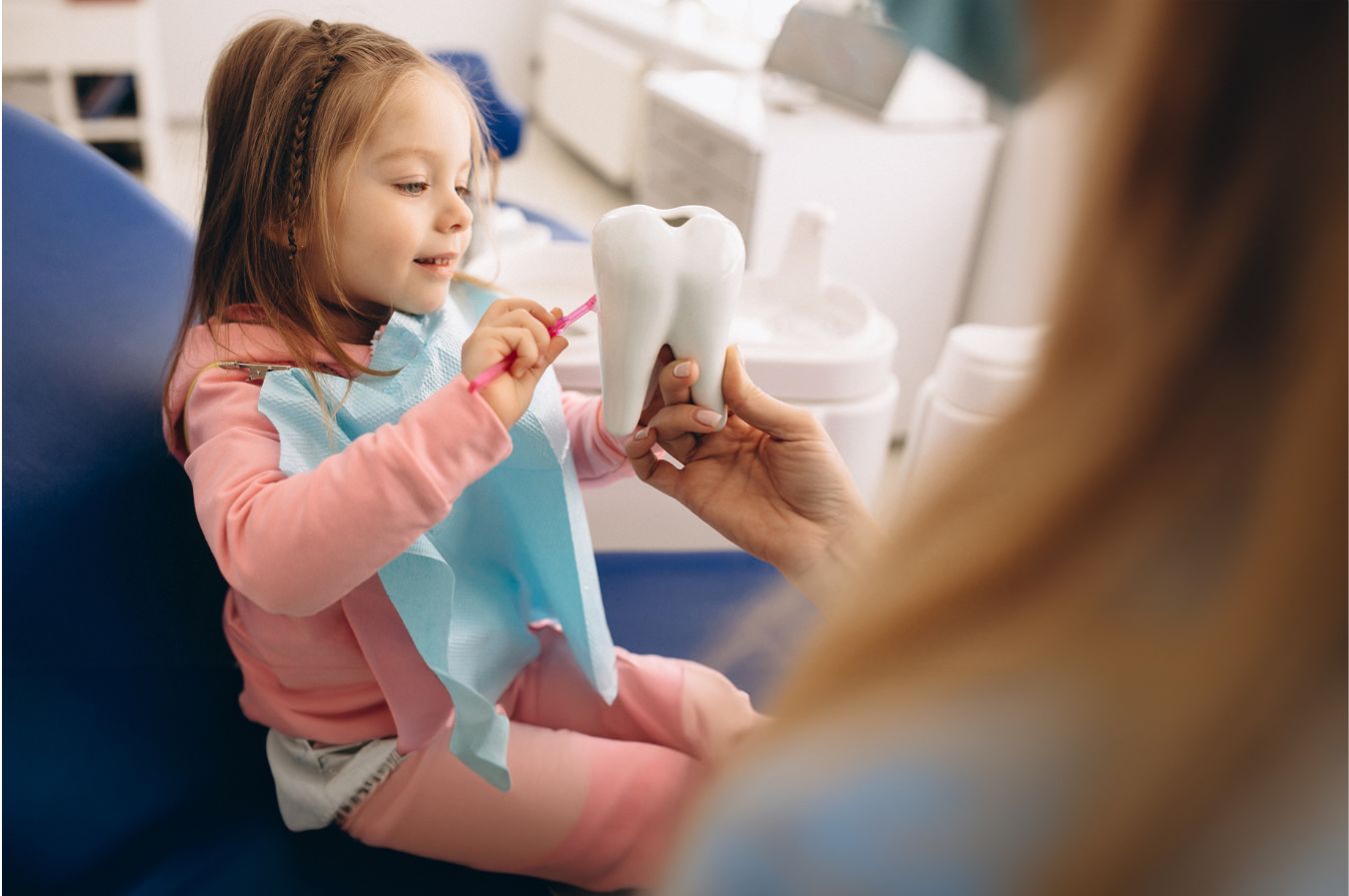
What Is the Right Age for a Child's First Dental Visit?
The American Dental Association (ADA clinical recommendations, 2023) and the American Academy of Pediatric Dentistry (AAPD periodicity schedule, 2023) both agree: your child should visit a dental professional by their first birthday or within six months after their first tooth appears, whichever comes first. This recommendation catches many parents off guard, but there's solid reasoning behind it.
Early dental visits aren't about restorative dentistry or treating cavities. They're about prevention. At Cochituate Smile Center, your child's first appointment gives the dental team a chance to examine emerging teeth, assess gum health, and spot potential concerns before they become problems. It also gives you, as a parent, guidance on proper oral care techniques, nutrition choices, and habits like pacifier use or thumb-sucking. Our team, trained at tufts university school of dental medicine, recommends following these guidelines closely because the early window matters more than most families realize.
Despite these guidelines, national data shows most children don't visit a dentist until closer to age 3. That two-year gap matters. When a dental professional establishes a baseline early, they can identify risk factors for decay, like enamel irregularities or dietary patterns, and catch them early. Children who start early tend to have fewer cavities, lower treatment costs, and a much easier time sitting in the dental chair as they grow. Remember, it's never too early or too late to prioritize your child's oral health.
When Should a Child First See the Dentist? An Age-by-Age Dental Timeline
Understanding what happens at each stage of your child's dental development helps you stay ahead of potential issues. Here's what to expect at every age.
Birth to 6 Months: Oral Care Before Teeth Arrive
Even before teeth appear, oral care matters. Gently wipe your baby's gums with a soft, damp cloth after feedings to remove bacteria and start building a routine. While rare, some babies are born with natal teeth, which may need evaluation if they're loose or causing feeding difficulties.
First Teeth Emerge: 6 to 12 Months
Most babies get their first tooth between 6 and 10 months. That's your signal to schedule the first dental visit. The appointment is brief and gentle: the dental professional will examine your baby's mouth, check for proper tooth development, and discuss feeding habits and fluoride needs with you.
What Changes During Ages 1 to 3?
Toddlerhood brings rapid changes. More teeth emerge, and your child transitions from gum-wiping to using a soft-bristled toothbrush with a rice-grain-sized smear of fluoride toothpaste. During this stage, your child will typically receive their first professional cleanings and fluoride varnish applications. Expect conversations about sippy cup use, sugary drinks, and early signs of decay to watch for at home.
Ages 4 to 6: Cavity Prevention Takes Center Stage
Primary teeth are fully in place by now, and cavities become a real concern. At this stage, the dental team checks for decay between teeth and evaluates your child's bite and jaw alignment. This is also a good time to discuss dental sealants for molars, which act as a protective barrier against cavity-causing bacteria. Brushing and flossing technique reinforcement continues, too. Many children start brushing more independently around this age, though they still need supervision until around age 7 or 8.
How Do Dental Needs Shift During the Mixed Dentition Stage (Ages 7 to 12)?
This is the mixed dentition stage, where baby teeth and permanent teeth share space. The American Association of Orthodontists recommends an orthodontic screening by age 7. Why so early? Certain jaw and alignment issues are easier to correct while growth is still happening. During these years, your child will lose remaining baby teeth, get permanent molars, and continue regular cleanings and cavity checks. Some children may begin Phase 1 orthodontic treatment if needed.
Teens Face New Dental Challenges (Ages 13 to 17)
Wisdom teeth begin developing during the teen years and may need monitoring through X-rays. If your teen hasn't had orthodontic treatment, this is often when clear aligners or traditional orthodontic treatment enter the conversation. Teens also benefit from guidance on maintaining oral hygiene with orthodontic appliances, protecting teeth during sports with mouthguards, and understanding how diet and lifestyle choices affect oral health long-term.
Benefits of Early and Regular Dental Visits for Children
Children who begin dental visits early and keep a consistent schedule gain advantages that last well into adulthood. Key benefits include:
- Fewer cavities and less need for restorative treatment
- Lower dental costs over time
- Less dental anxiety, since visits feel routine from a young age
- Better long-term oral health habits
- Earlier detection of alignment or bite issues
Regular preventive care reduces the likelihood of cavities, lowers long-term treatment costs, and helps children develop a positive relationship with dental care, and that pattern tends to stick with them into adulthood.
Why Does Early Detection Matter?
Small problems stay small. Cavities in baby teeth can cause infection and even affect developing permanent teeth. When caught early, treatment is simpler and far less invasive.
Kids who visit the dental practice regularly from a young age also tend to feel more comfortable with dental care as adults. Short, positive visits build trust. That comfort sticks. Over time, the dental team tracks jaw development and tooth alignment, which allows them to recommend orthodontic intervention at the right point, when it will be most effective and least disruptive.
How Do Regular Visits Reduce Costs?
A fluoride application or sealant costs a fraction of what a filling or crown requires. Preventive care protects your wallet along with your child's smile. Families who maintain regular visit schedules tend to spend less on dental care overall because problems are caught before they escalate.
Early visits also give parents practical guidance on nutrition, bottle weaning, pacifier habits, and proper brushing techniques. You leave each appointment with steps you can put into practice the same day.
Early Dental Visits vs. Waiting Until Problems Appear
The difference between proactive and reactive dental care shows up in outcomes, costs, and your child's comfort level. The following comparison reflects general trends supported by AAPD guidelines and pediatric dental research.
| Factor | Early Starters (By Age 1) | Late Starters (Age 3+) |
|---|---|---|
| Focus | Prevention and education | Often problem-driven |
| Cavity rates | Lower due to early intervention | Greater risk of untreated decay |
| Dental anxiety | Visits feel routine from the start | Fear is more common |
| Emergency visits | Rare for dental-related ER trips | More likely to need urgent care |
| Lifetime costs | Generally lower | More restorative work often needed |
Source: Based on findings from AAPD clinical guidelines on the periodicity of examination and the dental home concept (2023).
According to the AAPD, children who establish a dental home by age 1 experience better oral health outcomes throughout childhood. The CDC reports that more than half of children ages 6 to 8 have had at least one cavity in a baby tooth, making tooth decay one of the most common chronic childhood diseases in the United States.
What Affects the Cost of Your Child's Dental Visits?
Most children's preventive dental visits are covered by insurance at little to no out-of-pocket cost. The total cost of any visit depends on the type of service, your plan's coverage, and whether the appointment is preventive or restorative. That means routine visits are more affordable than many parents expect.
Covered preventive services typically include routine exams (usually twice per year), professional cleanings, diagnostic X-rays, and fluoride treatments. Dental sealants may also be covered depending on your plan. When treatment is needed, such as fillings, extractions, or space maintainers, costs vary based on the procedure and your coverage.
Preventive care costs a fraction of what restorative treatment requires. Addressing a small cavity early is far less expensive than treating an abscessed tooth that's caused infection. For families without dental insurance, many practices offer membership programs or financing options. Ask your dental practice about available options so your child's oral health stays on track regardless of your insurance situation.
Signs Your Child Is Ready for Their First Dental Visit
Your child is ready for a first dental visit as soon as a tooth appears, or by their first birthday, whichever comes first. You don't need to wait for a full set of teeth or for your child to be old enough to sit still. The dental team is trained to work with babies and toddlers at every stage.
Here are specific signs to look for:
- They have a tooth. Even one tiny tooth means it's time. Decay can start as soon as teeth appear.
- They're approaching their first birthday. No teeth yet? Schedule anyway. The dental team can examine gum health and discuss what to expect as teeth emerge.
- They have higher cavity risk. Children with a family history of dental problems, frequent snacking on sugary foods, or certain medical conditions may benefit from earlier or more frequent visits.
- They have special needs. Some children do better with shorter, introductory appointments that help them get used to the dental environment gradually.
How Can You Prepare Your Child for Their First Visit?
Even a few small steps before the appointment can make a noticeable difference. Read age-appropriate books about visiting the dentist together, and use positive, simple language when describing what will happen. Playing pretend dentist at home with a toothbrush and mirror can make the real thing feel familiar. Keep in mind that children pick up on parental anxiety, so staying calm and upbeat matters. Try to schedule appointments during times when your child is typically well-rested, because a tired toddler won't make anyone's job easier.
Frequently Asked Questions About Children's First Dental Visits
What happens at a baby's first dental appointment?
The first visit is gentle and quick: your dental professional will examine your baby's gums, any emerging teeth, and the tongue and palate, checking for signs of early decay or developmental concerns. Most of the appointment focuses on parent education, covering proper cleaning techniques, feeding habits, and your questions about teething and fluoride.
Can a 1-year-old really need a dentist?
Yes, and here's why. The ADA recommends a first visit by age 1 because early prevention makes a real difference. Baby teeth are susceptible to decay, and establishing a relationship with a dental team early means problems get caught before they become expensive to treat.
How do I prepare my toddler for the dentist?
Keep your approach positive and matter-of-fact. Read books about dental visits, let your child watch you brush your teeth, and avoid sharing any negative dental experiences you may have had. Many practices are experienced in making young children feel comfortable and even excited about their appointments.
When should my child get an orthodontic evaluation?
The American Association of Orthodontists recommends an orthodontic screening by age 7. At this age, enough permanent teeth have emerged to identify potential alignment or bite issues. An early evaluation doesn't commit you to early treatment. It gives the dental team a head start on spotting issues while they're still easy to correct. At Cochituate Smile Center, our dental professionals can provide clear recommendations about timing and next steps.
How often should children visit the dentist?
Most children benefit from dental visits every six months. This schedule allows for regular cleanings, cavity checks, and monitoring of dental development. Some children with higher cavity risk or ongoing orthodontic treatment may need more frequent appointments. The dental team can recommend the right schedule based on your child's individual needs and oral health history.
Leave a Reply