
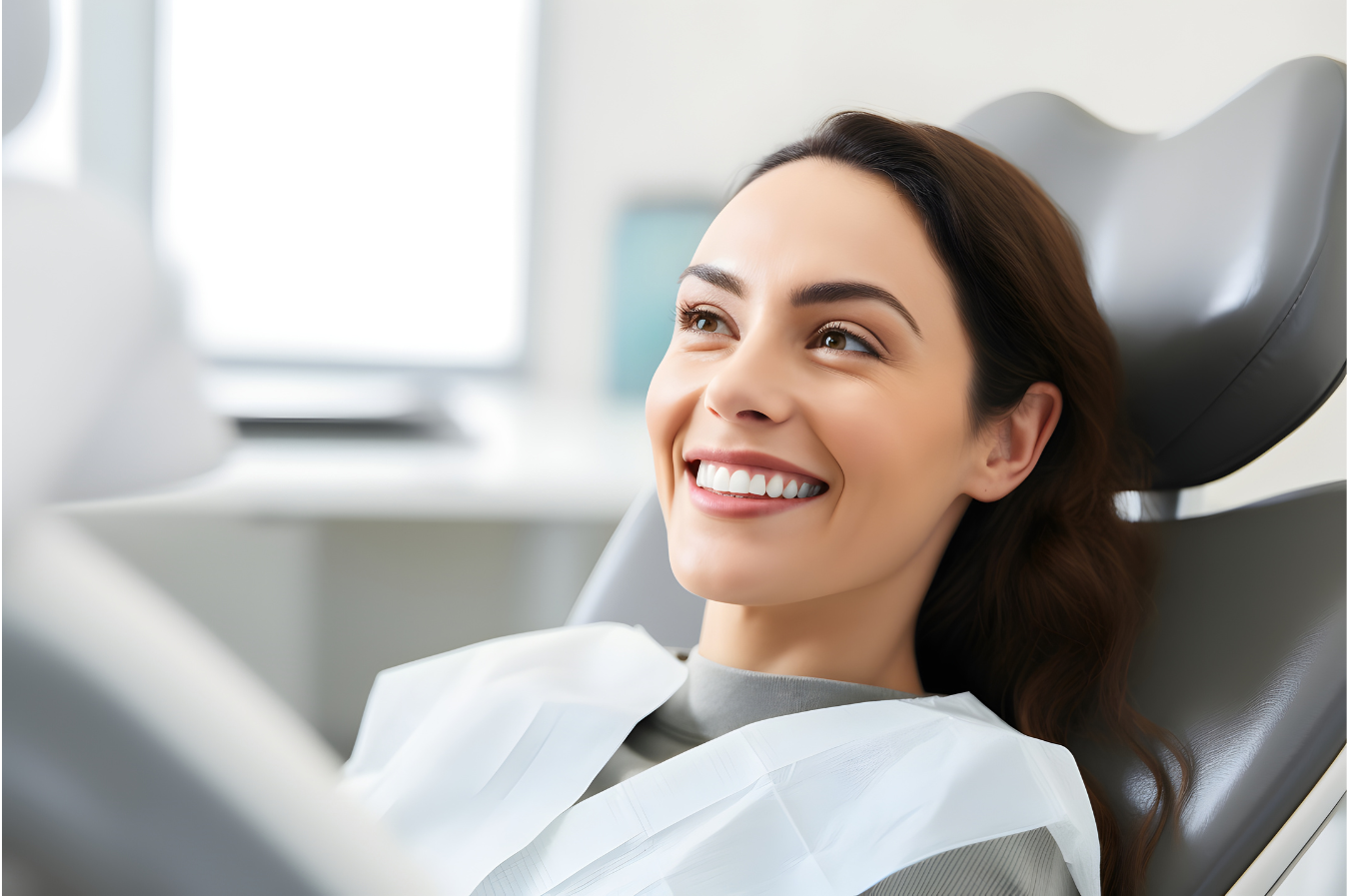
What Is Stress-Free Dentistry?
Stress-free dentistry is a care philosophy built around your emotional comfort, physical ease, and sense of control during every visit. For anyone who struggles with dental anxiety, it combines clear communication, a calming environment, gentle technology, and patient-directed pacing to reduce fear before, during, and after treatment. It's not simply sedation, it's a whole-experience approach designed to help you feel safe in the chair.
At Cochituate Smile Center, this approach shapes how our team greets you, explains each step, and adjusts care to match your comfort level. Rather than treating anxiety as an afterthought, stress-free dentistry weaves emotional support directly into the clinical experience. You're never rushed, never left in the dark, and never asked to endure discomfort in silence. Our husband-and-wife team has built the entire practice around this idea, offering dentistry and orthodontics under one roof so that comfort follows you across every kind of appointment.
Dental anxiety is far more common than many people realize. A large share of adults experience some level of fear about visiting the dentist, and a smaller subset lives with true dental phobia. Understanding where you fall on that spectrum matters:
- Mild dental anxiety: You feel nervous or uneasy but can still attend appointments, sometimes with a bit of dread beforehand.
- Moderate anxiety: You may lose sleep the night before, feel tense in the waiting room, or postpone routine visits when possible.
- Dental phobia: You avoid care entirely, even when you know you need it, and the thought of an appointment triggers strong physical or emotional reactions.
Comfort-focused care meets you wherever you are on that scale. For some of our patients, that means quiet music, a warm blanket, and a friendly conversation. For others, it means a step-by-step walkthrough of the treatment plan before anything begins. And for those with deeper fears, it may include sedation options paired with extra time and reassurance.
The underlying idea is simple: your comfort and smile are our top priorities, and no one should have to choose between avoiding care and enduring a stressful experience.
How Does Stress-Free Dentistry Work? The Root of Dental Anxiety and How Practices Address It
Stress-free dentistry works by identifying what triggers your anxiety, then adjusting the communication, environment, technology, and pacing of your visit to remove those triggers. Dental practices trained in this approach view fear as a clinical concern worth addressing directly, using proactive dialogue, sensory comfort, gentler tools, and patient-controlled pauses to keep you at ease throughout treatment. Our experienced dental professionals, drawing on their training at the Tufts University School of Dental Medicine, treat anxiety management as part of good clinical care rather than an extra.
Understanding Where Dental Anxiety Comes From
Fear of the dentist rarely appears out of nowhere. Most of our patients can trace it to one or more familiar sources:
- Past uncomfortable experiences, especially from childhood, that shaped a lasting association with the dental chair
- Fear of discomfort during procedures, often based on stories from others rather than personal experience
- Loss of control, including the feeling of being unable to speak, move, or pause the appointment
- Sensory triggers like sounds, smells, or bright overhead lighting
- Embarrassment about the current state of your teeth or the length of time since your last visit
Recognizing which of these applies to you is the first step, and a good dental team will ask.
The Four Pillars of a Stress-Free Visit
- Clear, unhurried communication. Before treatment begins, our team walks you through what to expect, why each step matters, and what you'll feel. We also agree on a hand signal so you can pause the appointment at any moment.
- A calming environment. Soft lighting, quiet operatories, blankets, headphones, and a welcoming reception space all reduce the sensory overload that can amplify anxiety. Small touches matter. We build them into every visit.
- Gentle, modern technology. Digital scanning replaces messy impressions. Quieter handpieces reduce noise sensitivity. Smaller instruments allow for more precise, less invasive care. These tools shorten appointments and minimize discomfort at the same time.
- Pacing at your speed. You control the tempo. Need a break, a sip of water, or a moment to breathe? We stop. Nothing about your visit is on autopilot.
When Sedation Fits In
For those with moderate to severe anxiety, sedation options add another layer of comfort. Nitrous oxide (laughing gas) offers light relaxation that wears off quickly. Oral sedation provides deeper calm for longer or more involved procedures. Our team reviews which option, if any, is appropriate based on your health history and the treatment planned.
This layered approach is what makes stress-free dentistry different from a standard appointment. It's less about a single technique and more about the entire experience being shaped around you.
Benefits of a Stress-Free Dental Approach
When anxiety no longer stands between you and consistent care, the results extend well beyond the appointment itself. A comfort-focused visit lowers physical tension, strengthens trust with your dental team, and rewrites the way you feel about dental care over time. Our patients who experience stress-free dentistry often notice lasting changes in their oral health, their overall well-being, and their willingness to keep coming back.
Here's what a calmer approach can mean for you:
- Better oral health outcomes. Regular visits catch small concerns before they become larger ones. When fear no longer causes you to delay or cancel, preventive care actually works the way it's meant to.
- Lower physical stress during treatment. Reduced jaw clenching, slower breathing, and steadier blood pressure make procedures easier on your body and often shorter overall.
- Stronger trust with your dental team. Open communication builds a real partnership. You feel heard, and your team gains a clearer picture of your goals and concerns.
- Fewer dental emergencies. Consistent checkups mean cavities, cracked teeth, and gum concerns get addressed early, before they turn urgent.
- A new emotional association with the dentist. Perhaps the biggest shift: each positive visit rewrites the mental script. Over time, the anxiety loop breaks, and appointments feel routine rather than dreaded.
For families, these benefits ripple outward. Children who watch their parents approach dental care with confidence tend to develop healthier attitudes themselves, setting the stage for a lifetime of healthy, confident smiles.
Stress-Free Dentistry vs. Traditional Dental Visits
The core difference comes down to how the practice treats your anxiety: a comfort-focused office designs the whole visit around your emotional and physical ease, while a traditional office focuses mainly on completing the clinical work. That distinction shapes everything from communication to pacing, and it often determines whether you return for regular care.
Not every dental office approaches anxiety the same way. The differences between a comfort-focused practice and a more traditional one can be significant, especially for our patients who've struggled with dental fear in the past.
| Element | Stress-Free Dentistry | Traditional Dental Visit |
|---|---|---|
| Communication | Proactive explanations, hand signals, ongoing check-ins | Minimal dialogue, limited discussion of what's happening |
| Environment | Soft lighting, calming décor, blankets, headphones available | Standard clinical setup, bright overhead lights |
| Pacing | Patient-controlled breaks, unhurried appointments | Fixed schedule, appointments run on strict timing |
| Technology | Digital scanners, quieter handpieces, minimally invasive tools | Conventional instruments, louder equipment |
| Sedation options | Discussed openly, tailored to your anxiety level | Offered inconsistently or only for major procedures |
| Emotional outcome | Calmer, more in-control, willing to return | Tense, relieved to leave, more likely to postpone next visit |
The emotional difference is what stands out most. A traditional visit may leave you counting the minutes until it ends. A stress-free visit leaves you feeling respected, informed, and much more likely to keep up with regular care. That shift, small as it sounds, is often the single change that makes the difference in someone's long-term oral health.
What Affects the Cost of Comfort-Focused and Sedation Dentistry?
The cost of a comfort-focused appointment depends on which measures your visit includes. Basic amenities like blankets, headphones, and unhurried communication are typically part of the standard experience at no additional charge. Costs generally rise only when clinical sedation is added or when a procedure requires extended chair time.
Several factors influence the final investment:
- Type of comfort measures used. Environmental features, calming design, and patient-controlled pacing are usually included with any visit. Sedation is a separate clinical service.
- Level of sedation. Nitrous oxide is typically the most affordable option. Oral sedation costs more due to medication and monitoring. IV sedation, when available, involves the highest fee because of the additional clinical oversight required.
- Length and complexity of the procedure. Longer or more involved treatments may require deeper sedation or extended monitoring time, which affects the total cost.
- Whether anxiety management is bundled with treatment. Some practices include mild sedation within the cost of certain procedures. Others itemize it separately.
- Insurance and financing. Coverage for sedation varies by plan. Many practices accept a range of insurance providers, and financing options are often available. Before treatment begins, ask our team for a clear written estimate so you understand exactly what's covered and what isn't.
Many of the features that define comfort-focused care, thoughtful communication, a calm environment, and patient-directed pacing, come at no extra cost. They're simply part of how care should feel. It also helps to remember that consistent, unhurried visits tend to catch concerns early, which can keep long-term costs lower than repeated emergency treatment for issues that were left to grow.
Is Stress-Free Dentistry Right for You? Signs You May Benefit
Stress-free dentistry isn't limited to those with severe phobias. It's a fit for anyone who wants a calmer, more supportive experience. You may especially benefit if you recognize yourself in any of the following:
- You avoid or delay dental visits because the thought of going makes you anxious, even when you know care is overdue.
- You've had a difficult past experience at a dental office that still shapes how you feel about going back.
- You have a strong gag reflex or heightened sensitivity to sounds, tastes, or textures during dental care.
- You're anxious about injections or claustrophobic, and the idea of instruments near your mouth feels overwhelming.
- You experience high general anxiety that intensifies in medical or clinical settings.
- You're a parent looking for an office where your child can build positive early associations with dental care.
Adults and children alike benefit from this approach. For kids especially, the tone set at the first few visits often shapes their attitude toward oral health for decades. And for adults returning after years away, a stress-free environment can make that first appointment back feel far less daunting. With dentistry and orthodontics under one roof, our team can support your whole family through general and orthodontic care in the same welcoming setting.
Remember, it's never too early or too late to prioritize comfort in your dental care.
Frequently Asked Questions About Dental Anxiety and Stress-Free Care
How can I calm dental anxiety at home before my appointment?
A few simple habits help. Practice slow, deep breathing the night before and the morning of your visit. Avoid caffeine, which can heighten nervous feelings. Bring headphones with calming music or a favorite podcast, and arrive a few minutes early so you aren't rushed. Writing down your specific concerns beforehand also helps you communicate them clearly to our team.
Is sedation dentistry safe?
Yes, when administered by trained dental professionals following current safety protocols, sedation dentistry is safe for most of our patients. Our team reviews your full health history, current medications, and anxiety level before recommending any option. Nitrous oxide, in particular, has a long track record of safety and wears off within minutes of removal.
How long does it take to overcome dental fear?
There's no universal timeline. Many of our patients notice a meaningful shift after just two or three positive appointments, especially when their fears are acknowledged and addressed from the start. For deeper phobias rooted in past experiences, the process can take longer and may benefit from small, gradual visits, sometimes starting with just a conversation.
Can I bring someone with me for support?
Absolutely. Bringing a trusted friend or family member is welcomed and often encouraged, particularly for your first visit or for longer procedures. Their presence in the waiting area, or even in the operatory when appropriate, can make a real difference in how comfortable you feel.
What should I tell my dentist about my anxiety?
Share everything. Let our team know what specifically worries you, whether it's certain sounds, past experiences, sensitivity, or general nerves. Mention any signals or accommodations that help you feel in control. The more we understand, the better we can shape your appointment around your needs. There's no judgment, and no concern is too small to bring up.
Will I feel discomfort during treatment?
Modern dental care uses effective numbing and gentler techniques designed to keep discomfort to a minimum. Most of our patients report that procedures feel far easier than they expected. If you're worried about sensitivity, tell our team before we begin, and we'll take extra steps to keep you comfortable throughout, including pausing whenever you need.
If dental anxiety has been standing between you and the care you deserve, you don't have to face it alone. The team at Cochituate Smile Center, our husband-and-wife team of Dr. Hugo Campos and Dr. Miriam Belussi-Campos, offering dentistry and orthodontics under one roof, has helped many patients rediscover what calm, respectful dental care feels like. Our team brings both clinical expertise and a deeply patient-centered approach to every appointment, working toward a lifetime of healthy, confident smiles, one smile at a time.
Ready to experience stress-free dentistry for yourself? Reach out to book your consult with our team and move toward a healthier, more confident smile.